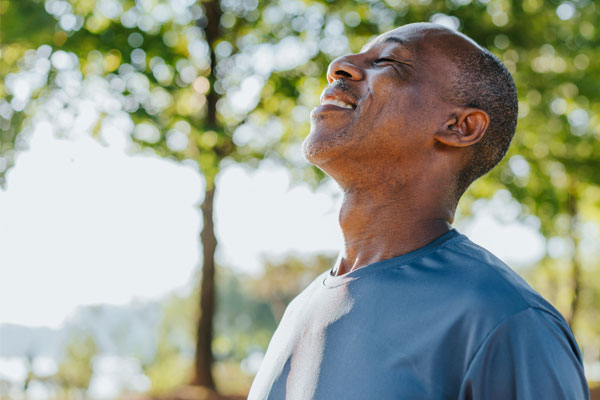
Staying Physically Active
Regular physical activity can improve daily functional abilities, including physical movement and balance, thereby preventing falls and fall-related injuries. It can also help older adults maintain and improve their mental health and cognitive ability, delay the onset of dementia, and reduce symptoms of depression and anxiety.
Just as importantly, physical activity brings social benefits, as being active offers the chance to build relationships and strengthen networks around an older person, enabling their continued contribution to society. Regular physical activity helps prevent falls, and also helps protect against other age-related health problems. Studies have shown that as much as half of the loss in function with age is actually due to inactivity, not the aging process itself.
Benefits of regular physical activity among older adults
Physical activity can:
- Help manage high blood pressure, type 2 diabetes, heart disease
- Reduce symptoms of depression and anxiety, and improve cognitive function
- Delay the onset of dementia
- Help maintain independent mobility and living by improving physical function and preventing falls
- Improve bone health and help prevent osteoporosis
How much physical activity is needed for health?
Aging is an inevitable part of life. But following the Canadian 24-hour guidelines for adults (65+ years) can help you stay strong, mentally fit, and independent. According to the Canadian Physical Activity Guidelines, adults over the age of 65 should accumulate at least 150 minutes of moderate- to vigorous-intensity aerobic physical activity per week. That breaks down to 5 sessions of 30 minutes per week.
Moderate-intensity physical activities cause you to sweat a little and breathe harder. Examples are:
- Brisk walking
- Bicycling
If you would like a bit more of a challenge, try some vigorous-intensity physical activities, which will make you sweat and be out of breath:
- Cross-country skiing
- Swimming
The Guidelines also recommend:
- Muscle strengthening activities using major muscle groups at least twice a week.
- Physical activities that challenge balance
- Several hours of light physical activities, including standing
As well, the World Health Organization indicates that:
Everyone can benefit from physical activity and reducing sedentary behaviour, including older adults living with chronic conditions or disability. These recommendations are relevant to all, regardless of gender, race, ethnicity, income level, or functional ability.
Every movement counts, as any amount of physical activity is better than none, and more is generally better. Benefits can be gained from even low levels of activity and everyone should be encouraged to start slowly and increase daily regular physical activity.
All physical activity counts and can be done in many ways that contribute to the health benefits. For example, walking and cycling, everyday household tasks, gardening, dancing, exercise, and sport all count as physical activity.
It's never too late to start being active and certain activities can help prevent falls among older adults.
Well, it’s time to get out there and have fun! All the activities mentioned above can be done with friends and family and you’ll reap the rewards for years to come.
- Benefits and Guidelines for Physical Activity for Older Adults 65+
- Tips to Get Active
- Active Aging Canada
- Which Exercise Program is Best for You?
The content in this section was adapted from:
- Promoting physical activity for older people: a toolkit for action (©World Health Organization 2023)
- Canadian 24-hour movement guidelines for adults (65+)